If you’ve spent any time on social media recently, you’ve likely seen the vibrant, swirling, highly photogenic beverage trend known as “Dirty Soda.” Originating in the Mountain West and quickly expanding into major fast-food chains and localized drink shacks across the country, these beverages have become the ultimate afternoon pick-me-up for millions.
But as a bariatric surgeon, when I look at these custom creations, I don’t see a harmless treat—I see a metabolic landmine. Let’s break down exactly what goes into a dirty soda, how it impacts your metabolism, and what it means if you are actively trying to lose weight or taking a GLP-1 medication.
What Exactly is a “Dirty Soda”?
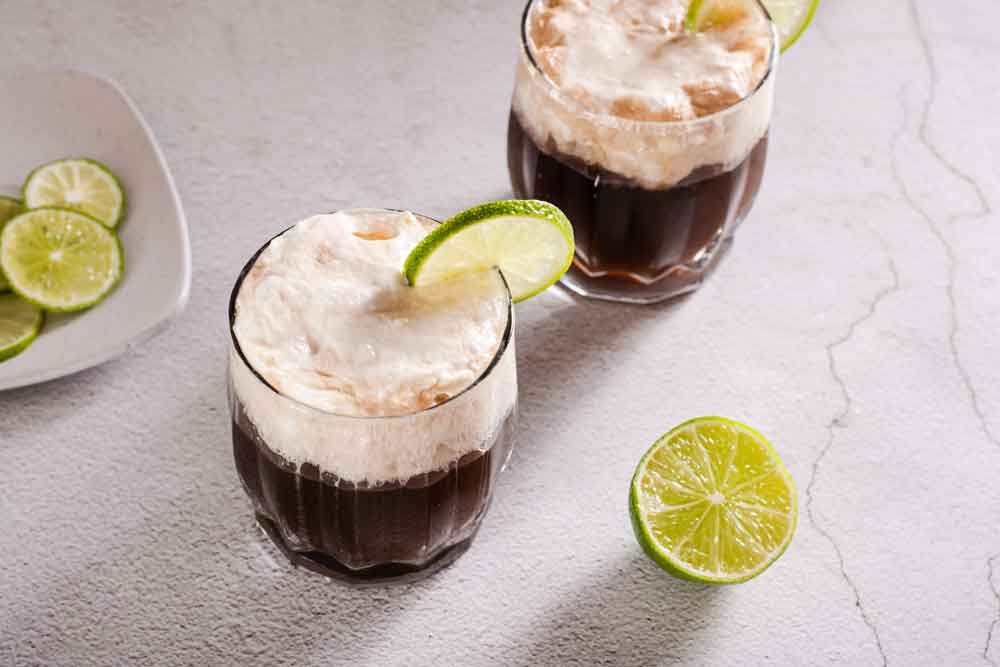
The anatomy of a classic dirty soda is straightforward, but its nutritional profile is anything but light. It typically consists of:
- The Base: A large pour (often 24 to 44 ounces) of a carbonated soft drink like Dr Pepper, Mountain Dew, or cola.
- The Flavoring: Multiple pumps of thick, flavored sugar syrups (coconut, vanilla, peach, or fruit purees).
- The “Dirty” Element: A heavy splash of half-and-half, heavy whipping cream, or sweetened creamer cascaded over the top.
While they taste like a liquid dessert, a standard 24-ounce commercial dirty soda can easily pack 260 to over 900 calories and a staggering 55 to 175 grams of added sugar. To put that in perspective, the American Heart Association recommends a daily upper limit of 25 grams of added sugar for women and 36 grams for men. A single drink can obliterate your weekly goals in minutes.
The Metabolic Meltdown: How It Impacts Your Body
When you drink a beverage so highly concentrated in high-fructose corn syrup and refined sugar, your body undergoes an immediate metabolic crisis.
- The Insulin Spike: Because the sugar is in liquid form and stripped of any fiber, it enters your bloodstream almost instantly. Your pancreas is forced to pump out a massive surge of insulin to clear the glucose from your blood.
- Visceral Fat Storage: High insulin levels act as a one-way valve for fat storage. It signals your body to actively stop burning fat and instead store those excess liquid calories—primarily as visceral fat (the dangerous fat wrapped around your internal organs).
- The Crash and Craving Cycle: The rapid insulin spike inevitably leads to a precipitous drop in blood sugar a couple of hours later. This reactive hypoglycemia leaves you feeling fatigued, irritable, and intensely craving more sugar, trapping you in a vicious cycle.
Dirty Sodas and Weight Loss Commitments
If you are actively working on a medical weight loss plan or preparing for bariatric surgery, dirty sodas are fundamentally counterproductive. Liquid calories are notoriously poor at triggering satiety. Your brain does not register 500 calories from a sugary drink the same way it registers 500 calories of lean protein and vegetables. You get all of the metabolic damage with none of the fullness, leading to massive caloric surpluses.
What about “Diet” Dirty Sodas?
Many people try to bypass this by ordering a diet soda base with sugar-free syrups and heavy cream. While this drastically cuts the caloric footprint, it isn’t a free pass:
- The Satiety Deception: Artificial sweeteners still hit the sweet receptors in your brain. When your brain expects calories but doesn’t receive them, it can actually increase your overall appetite and drive cravings for dense carbohydrates later in the day.
- The Carbonation Factor: Some clinical studies suggest that carbonation itself can stimulate the release of ghrelin (the hunger hormone) in the stomach lining, subtly nudging you to eat more.
The GLP-1 Conundrum: A Recipe for Gastrointestinal Distress
For patients utilizing GLP-1 receptor agonists (such as semaglutide or tirzepatide) for weight management, drinking a classic dirty soda is a recipe for severe discomfort.
GLP-1 medications work by slowing down gastric emptying—meaning food and liquid sit in your stomach much longer to keep you full. When you dump heavy dairy creams, highly concentrated fats, and massive amounts of sugar into a sluggish digestive tract, the consequences are highly predictable:
- Severe Nausea and Bloating: The heavy creams and fats stall in the stomach, leading to a profound sense of uncomfortable fullness and nausea.
- Acid Reflux: The combination of carbonation pushing upward and slow digestion can trigger severe, painful dumping of acid into the esophagus.
- Dumping Syndrome Symptoms: The sudden influx of high-osmolarity sugar into the small intestine can cause rapid shifts of fluid, resulting in cramping, diarrhea, and dizziness.
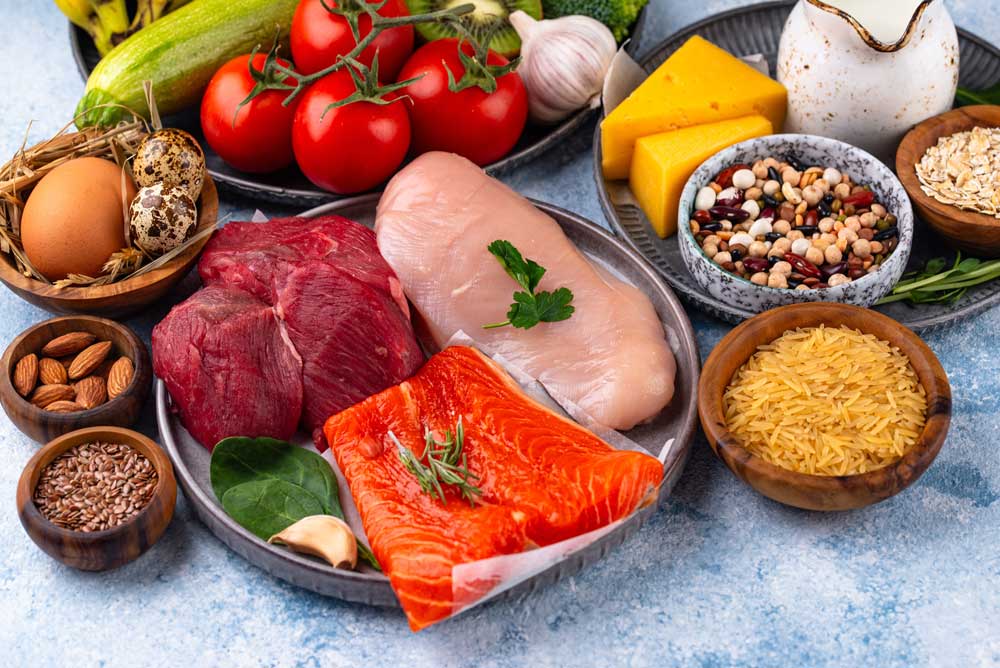
If you are on a GLP-1, your stomach real estate is precious. Every ounce should be dedicated to hydration and lean protein, not dense, sugary syrups.
The Long-Term Risks: Beyond the Scale
Consuming these high-sugar, high-fat beverage combinations regularly carries steep long-term consequences for your cellular health:
- Metabolic Syndrome: Regular consumption directly drives three of the major markers for metabolic syndrome: elevated blood sugar, high triglycerides, and an increased waist circumference.
- Type 2 Diabetes: Consistently forcing your pancreas to overproduce insulin eventually leads to insulin resistance, the primary precursor to Type 2 Diabetes.
- Non-Alcoholic Fatty Liver Disease (NAFLD): The liver is the only organ that can metabolize fructose. When it is slammed with the massive fructose load found in dirty soda syrups, it converts the excess directly into liver fat, leading to inflammation and scarring over time.
- Cardiovascular Disease: The combination of systemic inflammation caused by sugar spikes and elevated circulating triglycerides significantly increases the long-term risk of stroke and heart attacks.
Dr. Seger’s Verdict: How to Pivot
You don’t have to live a life devoid of flavor, but the commercial, standard dirty soda needs to be entirely removed from your daily routine. If you want a treat that won’t derail your hard work, try a metabolic-friendly modification at home:
The Metabolic-Safe Swap:
- Base: 12 oz of plain sparkling water or a zero-sugar cola alternative.
- Flavor: A squeeze of fresh lime juice and a pump of a naturally sweetened, sugar-free syrup (like Stevia or Monk Fruit-based coconut syrup).
- The Cream: A light splash (1 tablespoon) of unsweetened almond milk or oat milk instead of heavy creamer.
By making these simple shifts, you protect your insulin levels, respect your digestive track, and keep your long-term metabolic health firmly on track. Remember: your health goals are won or lost in what you choose to default to every single day. Choose water, choose protein, and skip the liquid sugar trends.