For decades, the weight loss industry focused on a single metric: the number on the scale. If that number went down, it was deemed a success. But as medical science—and our understanding of metabolic health—has evolved, we’ve realized that generic weight loss is a flawed goal.
Today, the clinical and wellness communities are shifting toward Quality Weight Loss. The focus is no longer just on losing weight, but on what kind of weight you are losing. Specifically, it’s about shedding visceral fat while aggressively preserving your skeletal muscle mass.
The Danger of Lean Mass Loss
When you cut calories drastically or utilize advanced medical weight loss therapies like GLP-1 medications, your body enters a catabolic state. If left unmanaged, up to 25% to 40% of the weight you lose can actually come from lean muscle tissue rather than fat.
Losing muscle mass carries steep metabolic consequences:
A Crashing Metabolic Rate: Muscle is highly metabolic tissue. It burns calories even when you are resting. When you lose muscle, your resting energy expenditure drops, making it significantly harder to maintain your weight loss long-term.
Sarcopenic Obesity: This occurs when an individual reduces their body weight but maintains a high percentage of fat relative to muscle. You may look smaller, but metabolically, your body composition remains unhealthy.
Physical Frailty: Muscle mass is the currency of longevity. Losing it compromises your strength, joint stability, and overall physical function as you age.
The Strategy for Quality Weight Loss
Achieving quality weight loss requires a deliberate, two-pronged strategy that runs parallel to any caloric restriction or medication regimen.
1. Prioritize Protein and Fiber
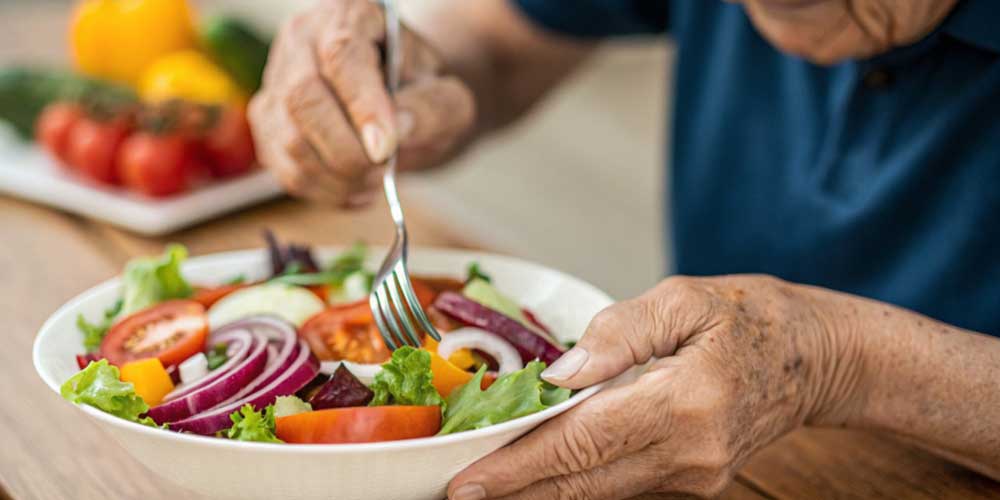
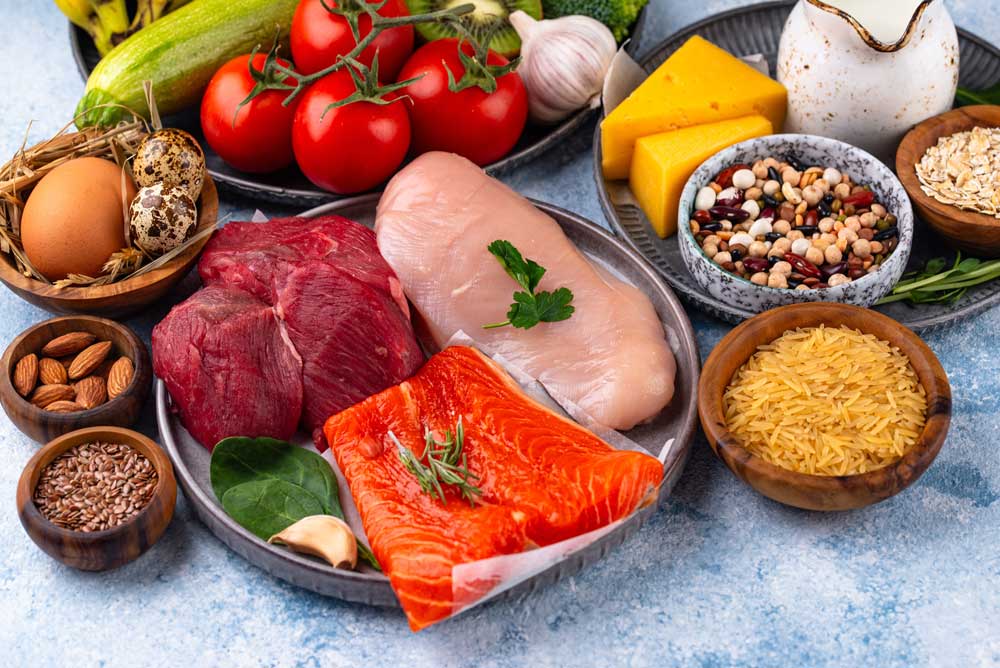
To protect your muscles from being broken down for energy, you must provide your body with an abundant supply of dietary amino acids. Aiming for a high-protein intake—often around 25 to 30 grams per meal—signals the body to preserve lean tissue. Pairing this protein with high-fiber foods ensures your gut health and satiety are supported without adding empty calories.
2. Progressive Resistance Training
You must give your body a biological reason to keep its muscle. Cardiovascular exercise is excellent for heart health, but strength training is non-negotiable for muscle preservation. Lifting weights, using resistance bands, or performing bodyweight exercises at least two to three times a week forces your neuromuscular system to maintain its lean mass.
The Bottom Line: Don’t let the scale deceive you. True metabolic health isn’t about becoming a smaller version of an unhealthy composition; it’s about building a leaner, stronger, and more metabolically active body.
The Next Wave of Weight Loss: Oral GLP-1 Medications and the Companion Ecosystem
The introduction of injectable GLP-1 receptor agonists completely revolutionized the treatment of obesity. However, we are currently experiencing the next major evolution in this space: the rise of oral GLP-1 medications and the massive wellness ecosystem designed to support them.
The Shift from Injections to Daily Pills
While weekly injections like semaglutide and tirzepatide have shown remarkable efficacy, they come with barriers. Many individuals experience needle anxiety, and the logistics of cold-storage shipping and traveling with injectables can be cumbersome.
The emergence of highly effective oral options—daily pills that stimulate the same metabolic pathways—is a game-changer. It democratizes access, simplifies compliance, and integrates seamlessly into a standard morning routine.